
Principals Need More than Resources, They Need Better Support
Principals are surrounded by resources but often lack the time, structure, and support to turn those resources into action.
Discover insights, updates, and stories from our team
Principals are surrounded by resources but often lack the time, structure, and support to turn those resources into action.

Why do well-intentioned strategic plans stall when they hit the school level? In practice, several systemic barriers prevent strategic goals from taking root in daily classroom and administrative practices:

Some ideas on how schools and families can work together to make education more affordable.

Socio-emotional learning is an important part of the K-12 curricula.
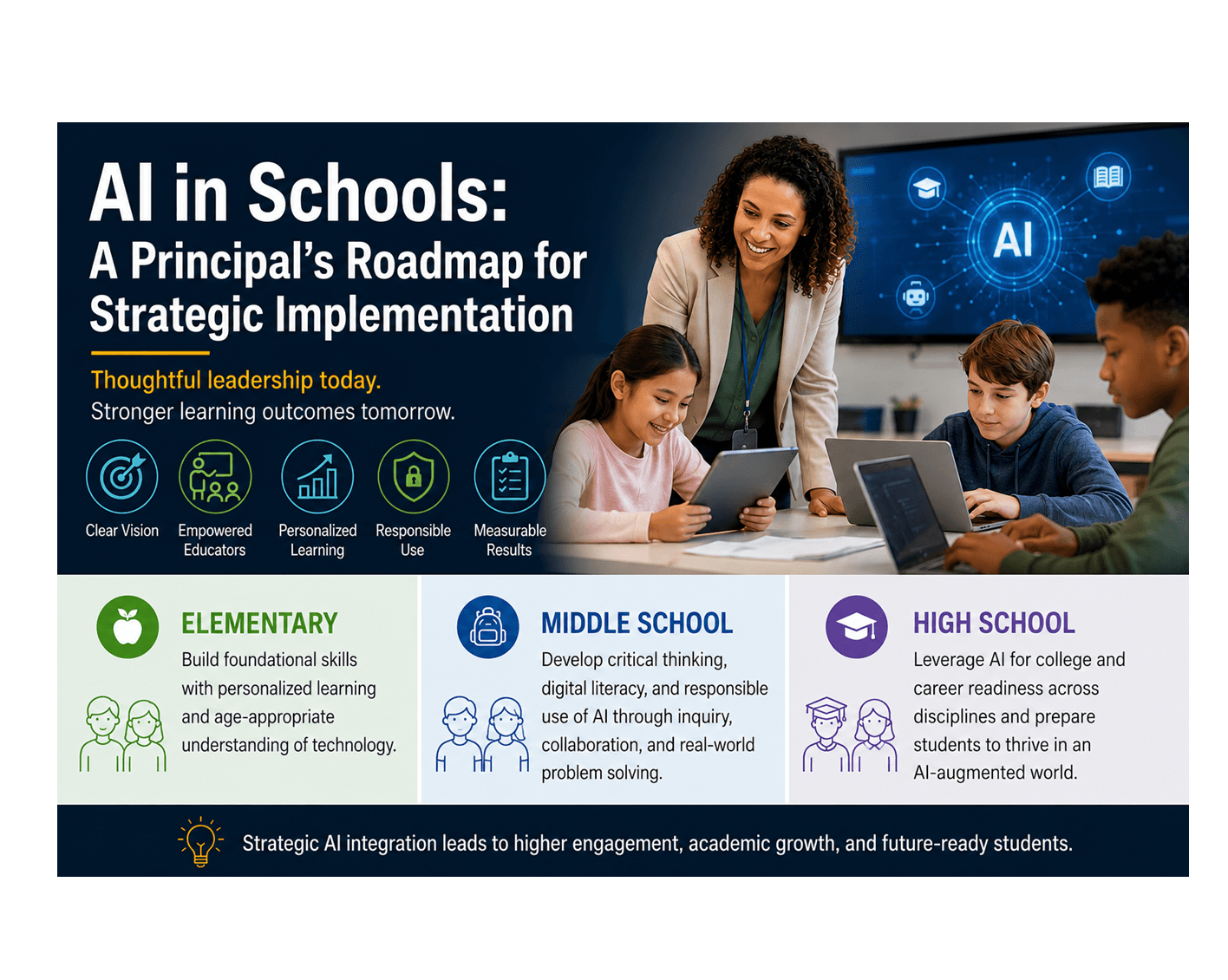
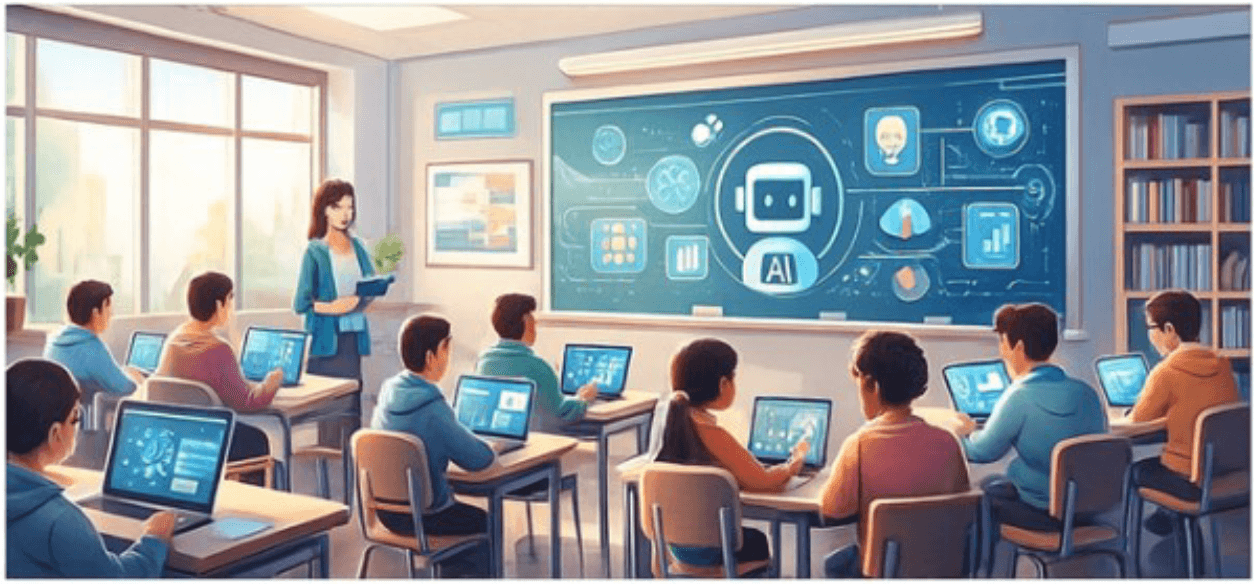
The strategic use of AI can empower school improvement efforts.

Dyscalculia is a specific learning disability that impacts a student’s ability to understand numbers, perform arithmetic operations, and grasp mathematical relationships. It is not a reflection of intelligence or effort; rather, it stems from differences in brain function that affect numerical processing.

School culture shapes everything — from student achievement to educator retention. When climate supports safety, belonging, and high expectations, learning accelerates. Intentional leadership ensures that culture aligns with instructional goals and equity commitments.

In many schools, the question isn’t whether leaders care about wellbeing — it’s whether systems and routines make it possible. Sustainable leadership is built through small, repeatable practices that keep leaders healthy enough to lead well.

Artificial Intelligence will continue to reshape industries — and education must evolve alongside it. The goal is not to replace foundational instruction, but to strengthen it with relevance, responsibility, and innovation.

When physical and mental health needs are addressed, instructional progress accelerates. School-based clinics are not separate from academic strategy — they strengthen it.

At a time when schools are asked to do more with less, leveraging existing assets is essential. The school library is not an “extra.” It is a multiplier that supports engagement, equity, and academic growth.

When parent associations are well-supported and aligned with school leadership, they become valuable partners in strengthening school culture and advancing shared goals.
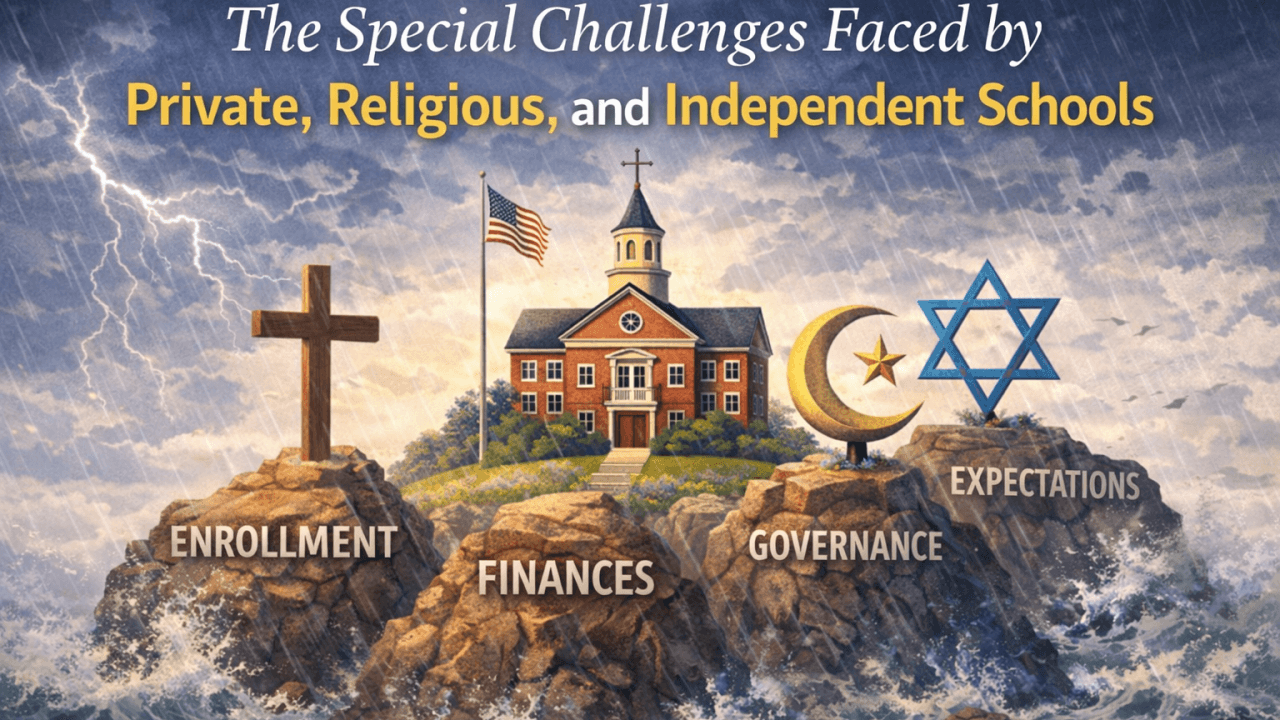
Private, religious, and independent schools play a vital role in the education landscape, offering mission-driven learning environments and strong community connections. At the same time, leaders of these schools face a distinct set of challenges that often differ from those in traditional public systems.


Keep K–12 students engaged all year with 7 strategies: curiosity, small wins, real-world relevance, varied instruction, student voice, relationships, and visible learning.

Traditional induction programs often miss the collaborative, problem-solving culture new teachers need. Borrowing from healthcare, the Medical Rounds model offers structured, team-based classroom observations followed by immediate, solution-focused feedback. This approach builds professional norms, accelerates growth, reduces anxiety, and improves retention. Starting small—with pilots, clear norms, structured debriefs, and rotating roles—schools can create a cycle of observation, reflection, and action that strengthens teaching and ultimately benefits students.

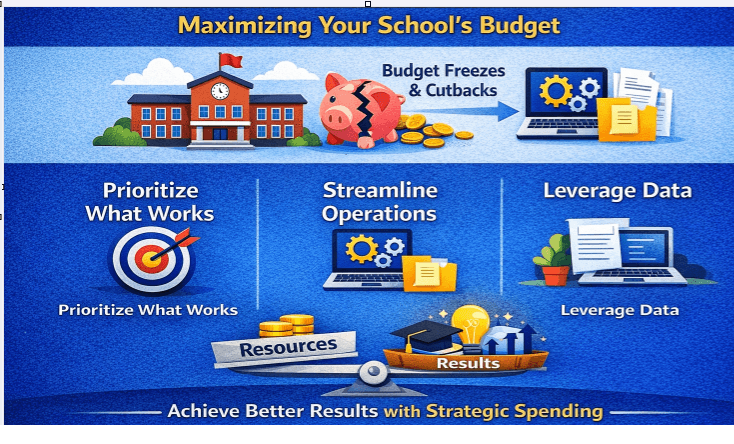
School budgets are more than spread sheets—they are reflections of a principal’s vision and priorities. In an era of rising costs, fluctuating enrollment, and increasing demands for student outcomes, K–12 principals must take a strategic, data-informed approach to spending. Optimizing a school budget doesn’t mean simply cutting costs—it means aligning every dollar with what matters most: student success.

Successful school leadership requires more than managing day-to-day tasks—it demands a clear, strategic vision that guides priorities, decision-making, and growth throughout the academic year. For K–12 principals, strategic planning isn’t a static event but an ongoing process that starts before students return and evolves in alignment with data, feedback, and changing needs.

In today’s fast-evolving education landscape, artificial intelligence (AI) is rapidly emerging as a powerful tool for instructional efficiency and innovation. Yet for many teachers—especially those unfamiliar with the technology or skeptical of its use—AI can feel more like a threat than a resource. As a principal, you play a pivotal role in shifting this mindset and helping your staff embrace AI tools for routine tasks like lesson planning, resource alignment, and instructional differentiation.